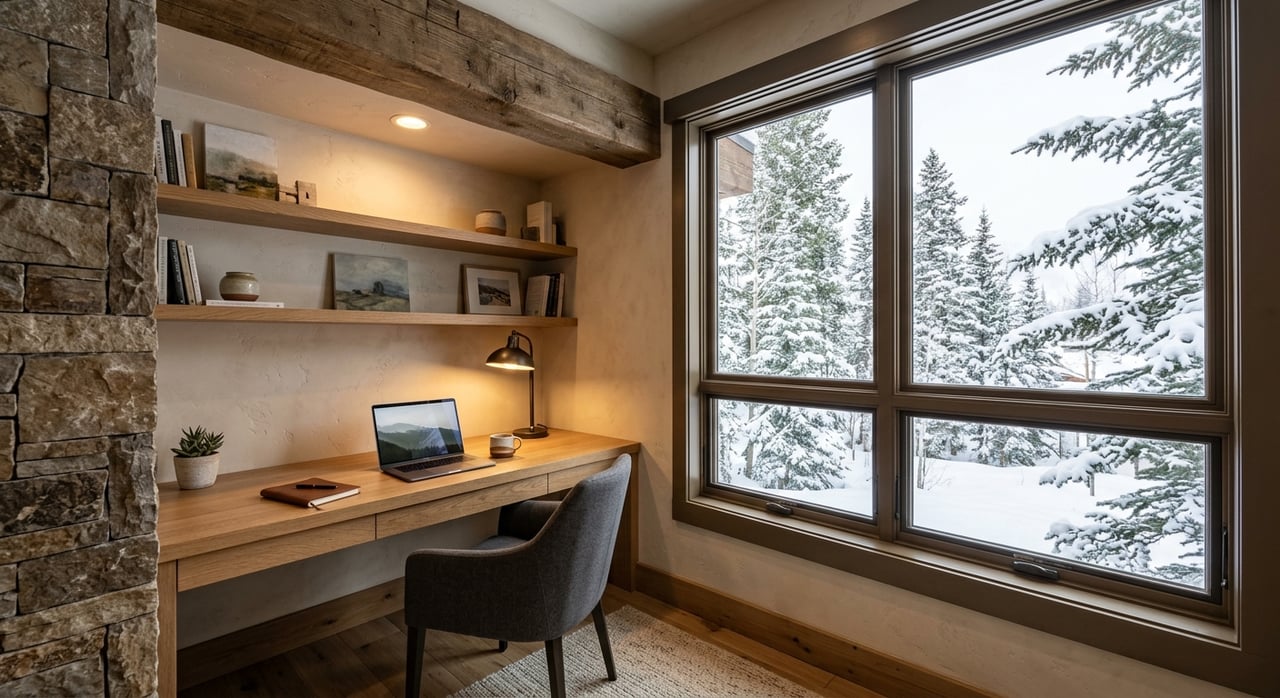
Owning Homes in Aspen and Miami With a Smarter Plan
June 25, 2026
June 25, 2026
If you split your time between the mountains and the coast, you already know the dream comes with logistics. A Snowmass Base Village condo and a beach home can create an incredible two-home lifestyle, but only if you plan around seasons, travel, and property management with intention. This guide will help you think through how the two homes can work together, where the calendar gets tricky, and what to review before you buy or rent. Let’s dive in.
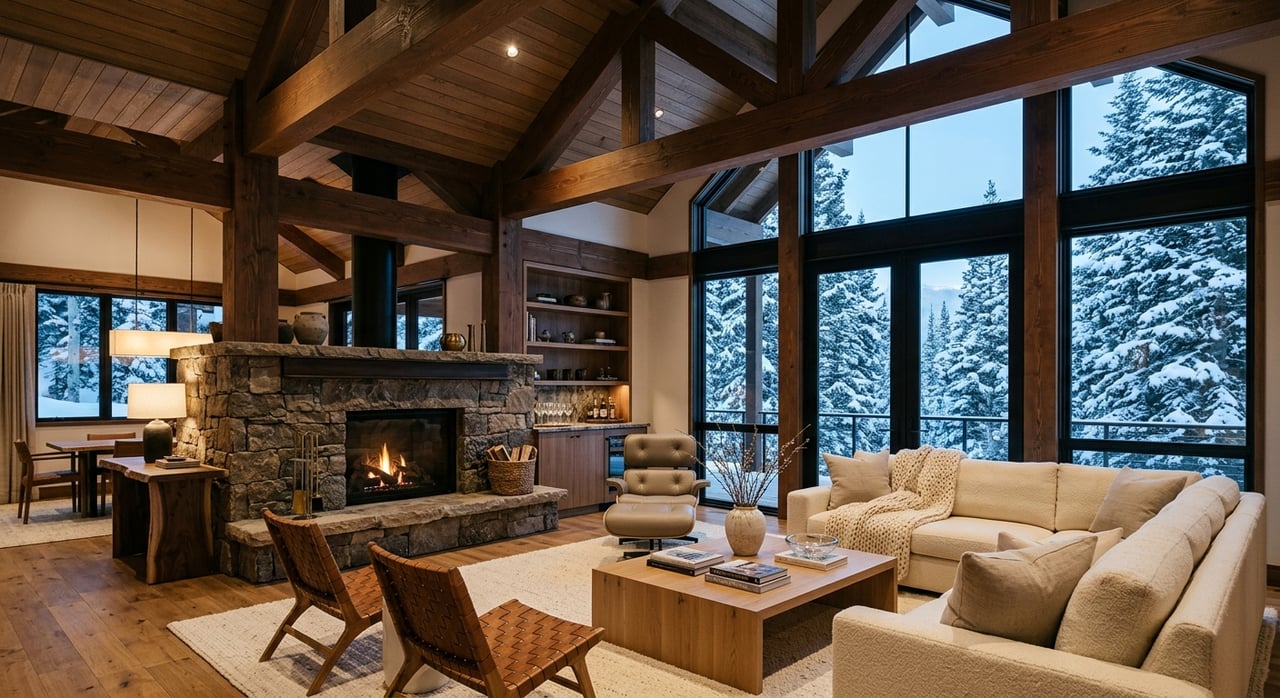
Base Village works best when you want convenience, walkability, and easy access to the mountain. Snowmass Village is a year-round mountain community in Pitkin County, located about 9 miles from Aspen, which makes it more than a winter-only destination.
For ski-focused owners, the setup is especially practical. Aspen Snowmass scheduled the 2025-26 Snowmass ski season from November 27, 2025, to April 12, 2026, and notes that 95% of Snowmass lodging is ski-in, ski-out. That kind of access matters when you want short, efficient stays without a lot of planning.
Base Village also functions like a compact resort core rather than a standalone condo cluster. The area is built around places to gather, dine, skate, learn, and spend time outdoors, with the winter ice rink located in the plaza outside Limelight Snowmass.
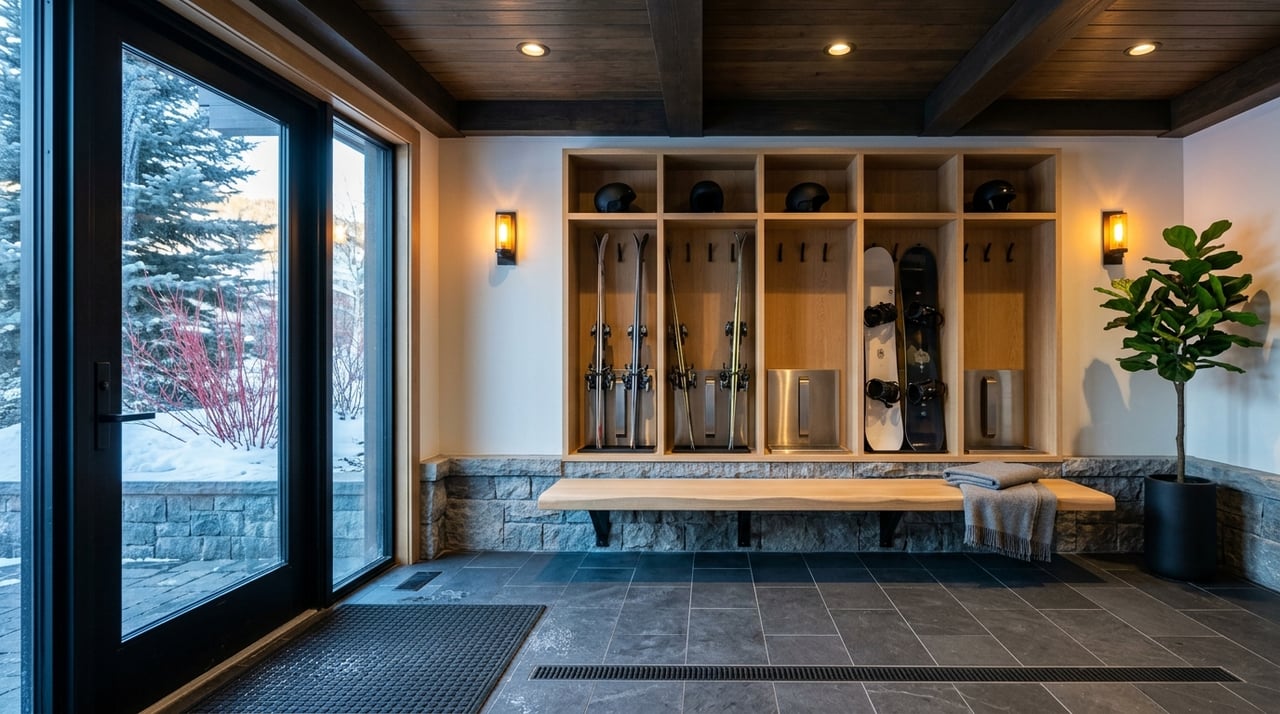
That convenience extends to gear and day-to-day movement. Four Mountain Sports in Base Village sits next to the Elk Camp Gondola and offers ski and snowboard rentals, bike rentals in summer, lift tickets, ski-school access, and free overnight storage and transfer. For owners who may fly in for a long weekend or a school break, that can make the mountain home much easier to use.
A beach home can still pair well with Snowmass, even though the two markets do not line up in a perfectly opposite seasonal pattern. In Southeast Florida, summer is warm, humid, and marked by frequent showers and thunderstorms, while winter is cooler, less humid, and less rainy.
That means your beach home may feel especially comfortable during winter and shoulder seasons, which overlaps with Snowmass ski season. This is the core planning challenge for dual-market owners. You are not simply alternating between cold months and warm months. Instead, you are balancing two desirable places that both pull your attention during winter.
For many owners, the answer is not to use both homes equally every month. It is to assign each property a role. One may become the holiday home, one may become the short-stay retreat, and one may carry more of the rental burden during peak demand periods.
The biggest mistake in a two-home strategy is assuming the calendar will sort itself out. It usually will not. Snowmass ski season runs from late November through mid-April, while South Florida is often most appealing in winter and the transition seasons.
You also need to account for Atlantic hurricane season, which runs from June 1 to November 30. That does not automatically make summer and fall unusable for a beach property, but it does change how you plan occupancy, maintenance, and flexibility.
A smart approach is to build a month-by-month use plan before you buy. That gives you a clearer picture of whether the Snowmass condo is meant for peak ski weeks, quick family visits, summer mountain use, or rental income when you are elsewhere.
Here is a simple framework many lifestyle buyers can use:
This kind of structure helps you avoid double-booking your own lifestyle. It also makes rental planning much easier.
One of Base Village’s strongest advantages is that it supports frequent, shorter trips. Because the village core is compact and service-oriented, you can arrive, get your gear sorted quickly, and spend more of your time actually enjoying the mountain.
That matters if your beach home remains your longer-stay property during parts of the year. Instead of expecting the Snowmass condo to be used for extended stretches every month, you may get more value by using it as a high-convenience alpine base for ski weekends, school breaks, and summer mountain trips.
This is one reason Base Village can be so effective in a two-home plan. You do not need it to function like an isolated retreat. You can let it do what it does best, which is make mountain living easy and immediate.
If you plan to rent the condo when you are not using it, due diligence matters. Snowmass Village defines a short-term rental as a dwelling rented for fewer than 30 consecutive days, and the town requires both a business license and a permit to operate one.
These rules took effect on May 1, 2023, and permit renewals now follow an annual April 30 expiration cycle. That detail is important if you are timing spring transitions, owner stays, or rental scheduling around the end of ski season.
The town’s permit process also asks for a designated local owner representative and, in many cases, property management details. For owners who live in Florida or divide time between states, that is a clear reminder that local support should be part of the ownership plan from day one.
Before you rely on rental income projections, review these items carefully:
For remote owners, smooth operations usually come down to systems. A beautiful condo in the right location still needs a clear management structure behind it.
A two-home ownership plan works best when the travel piece feels manageable. Aspen/Pitkin County Airport is a small, single-runway, high-altitude airport about 2.5 miles northwest of Aspen, and Snowmass Village places it about 6 miles from the resort.
Once you land, the transfer to your condo is relatively straightforward. Authorized taxis, limousines, hotel shuttles, and ridesharing are available, and Snowmass Village also highlights free bus service into Aspen and Snowmass.
On the Florida side, Miami International Airport is a major international gateway near downtown Miami. The airport reports more than 90 air carriers and, as of May 2026, 176 nonstop destinations and 91 carriers. For international owners or families with cross-border travel needs, that route depth can be a meaningful advantage.
Even when both airports are well connected, your schedule should leave room for real life. If you are coordinating ski gear, family arrivals, weather shifts, or same-week turnover between homes, a tight itinerary can create stress quickly.
Try planning around these buffers:
The easier it is to move between homes, the more likely you are to enjoy both.
A strong two-home strategy is rarely about treating both properties the same way. It is usually about giving each one a clear role based on season, convenience, and income potential.
Your Base Village condo may be the best fit for high-value short stays, ski-season use, and select rental windows. Your beach home may be better for longer stays, international accessibility, and flexible occupancy outside of mountain peak periods.
When you define those roles early, decisions become easier. You can be more intentional about personal use, more realistic about rental windows, and more confident about management needs in both markets.
If you are buying across two premium lifestyle markets, the right property is only part of the equation. You also need a plan for how each home will be used, who will support it locally, and how the calendar works in real life.
In Base Village, that means looking beyond views and finishes. You should also evaluate ski access, village convenience, short-term rental rules, permit timing, and local management support.
When those pieces are aligned, a Snowmass condo can complement a beach home beautifully. If you are thinking about how to structure a mountain-and-coast ownership plan, Karina Kwasnicka Marx PA can help you navigate Snowmass and South Florida with a concierge, cross-market perspective.
Stay up to date on the latest real estate trends.
Her ability to blend cultures and relationships, professionalism, availability, and knowledge allow her to guide her clients to successful transactions. Call to put her international experience to work for you.