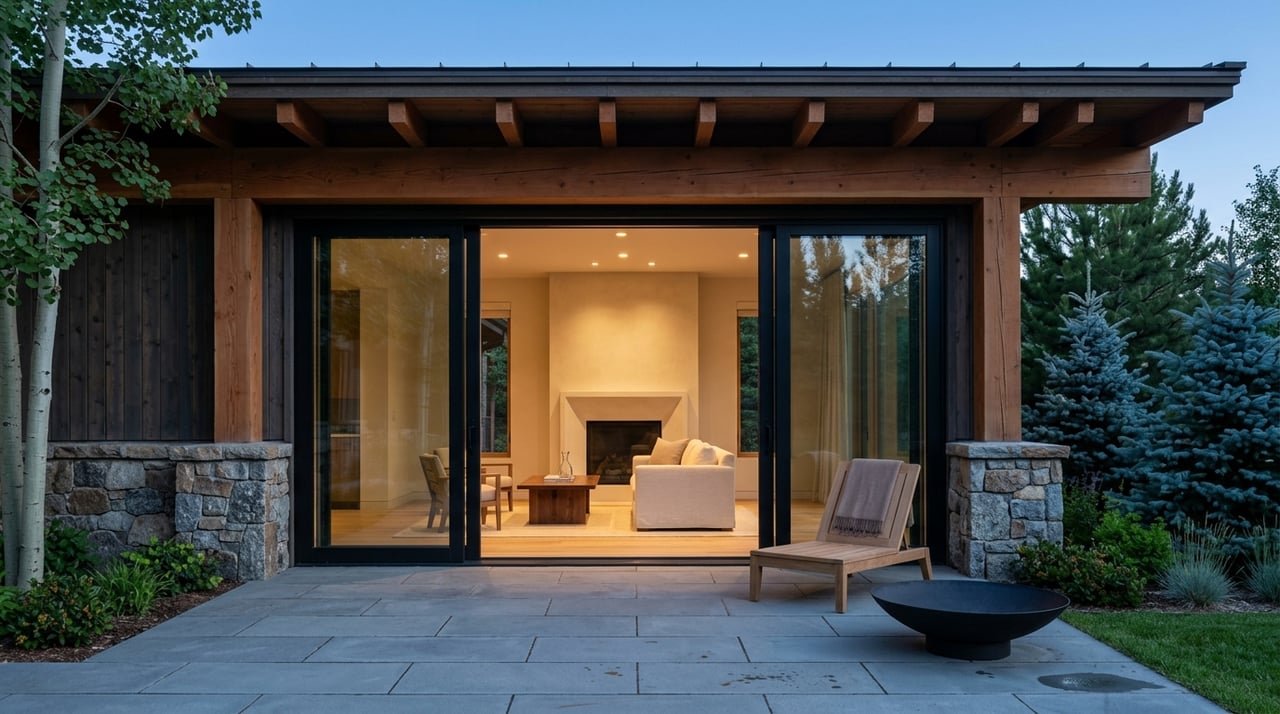
Aspen Luxury Lifestyle Guide Beyond Ski Season
July 2, 2026
July 2, 2026
What if Aspen’s most compelling luxury feature is not the ski access at all? If you only picture powder days and winter crowds, you might miss what makes this mountain town so livable the rest of the year. Beyond the slopes, Aspen offers a walkable downtown, a rich arts calendar, standout dining, and easy access to outdoor recreation that can shape your daily routine in every season. Let’s take a closer look.
Aspen stands apart because it does not operate like a single-season resort. Official local sources highlight spring, summer, and fall as prime times for hiking, biking, rafting, dining, shopping, events, and arts and culture.
That matters if you are thinking about a second home or longer stays. You are not buying into a place that quiets down after ski season. You are stepping into a town with a year-round rhythm and a lifestyle that extends well beyond winter.
Aspen also sits at about 7,908 feet, making it one of the most elevated cities in the United States. In everyday life, that means acclimation, hydration, and outdoor movement become part of the local routine.
One of Aspen’s biggest lifestyle advantages is how easy it can feel to move through town. The downtown core is compact and pedestrian-oriented, with a luxury shopping district concentrated in a five-block area and a historic core known for Victorian-style buildings.
The Aspen Pedestrian Mall helps shape that experience. The city has marked its 50th anniversary and describes it as one of the few remaining successful pedestrian malls in the country, which says a lot about how central walking is to the local feel.
If you prefer to leave the car parked, Aspen supports that choice in practical ways. The city points to an almost seamless trail system, while the Rio Grande Trail runs 42 miles between Aspen and Glenwood Springs.
In warmer months, WE-cycle adds another layer of convenience with free first-30-minute rides. For many owners and long-stay visitors, that makes it realistic to walk or bike to errands, lunch, dinner, and short outings.
Luxury in Aspen is not only about finishes, views, or private amenities. It is also about how quickly you can step into the outdoors without leaving the town behind.
Aspen’s Parks & Recreation Department manages more than 2,100 acres of parks, trails, and open space. City information also notes more than 1,100 acres of open space within and around the city.
That scale changes the feel of ownership. Aspen often feels less like a resort district and more like a mountain town with an expansive outdoor living room built into everyday life.
Aspen’s dining scene is a major part of its luxury appeal outside ski season. The local chamber describes the restaurant landscape as comparable to larger metropolitan markets, with options ranging from local ingredients to international flavors.
For homeowners, that variety supports both entertaining and everyday convenience. The chamber also notes catering, personal chefs, delivery, patios, and downtown dining, all of which fit naturally with seasonal living and hosting at home.
Summer social life gets a major boost from the FOOD & WINE Classic in Aspen, which the chamber describes as the unofficial start of summer. Events like that help give the calendar a sense of momentum long after the snow melts.
Aspen’s retail scene reinforces the idea that this is more than a vacation stop. Luxury shopping is central to the town’s identity, but the mix also includes galleries, outdoor outfitters, jewelry, and home decor.
That balance matters when you spend real time here. You can enjoy a polished downtown shopping experience while also having the practical stores and specialty shops that support mountain living.
The Aspen Saturday Market adds another layer of local texture. The city says the market promotes Colorado artisans and only allows Colorado-made, grown, and produced goods, with the 2026 season running from June 6 through October 3.
For owners and visitors alike, that market helps define summer and early fall in a very local way. It is not just a shopping stop. It is part of the weekly rhythm.
Aspen’s cultural depth often surprises people who first come for the mountains. The arts scene here is unusually strong for a town of its size, and that adds real value for anyone who wants more than outdoor recreation alone.
The Aspen Art Museum offers free admission and highlights exhibitions, education workshops, a museum shop with artist-made items, and family programming. The Wheeler Opera House serves as a venue for music, comedy, theater, film, and conversation.
The Red Brick Center for the Arts adds exhibitions, learning programs, and public art to the mix. Together, these institutions help create a social and cultural calendar that feels active across seasons.
Aspen is not only scenic and social. It also has a notable intellectual and philanthropic presence.
The Aspen Institute’s Aspen campus is located at 1000 N 3rd St and is known for its connection to art, architecture, and ideas. Its Aspen Ideas Festival is the organization’s flagship summer gathering, and Aspen Ideas: Health opens that festival each summer with a robust lineup of sessions and speakers.
For many luxury buyers, this is part of Aspen’s unique draw. The calendar can include not just dinners and outdoor days, but also conversations, cultural events, and idea-driven gatherings.
Aspen’s cultural life also works on a more regular, neighborhood scale. Jazz Aspen Snowmass has a permanent downtown home at the Paul JAS Center and offers community nights, intimate performances, and a café series alongside larger festival programming.
Creative programming also supports longer family stays. Theatre Aspen offers summer camps and production programs for children and teens, the Aspen Art Museum offers family workshops, and Red Brick runs adult art classes.
That mix helps Aspen feel welcoming for multigenerational use. A second home here can support different interests across different age groups, which is a meaningful advantage for many families.
Aspen’s non-winter appeal also rests on how naturally wellness fits into life here. Local wellness offerings include spas, yoga studios, health clubs, wellness programs, and healthy food experiences.
The city’s recreation system adds even more variety, with fitness facilities, group fitness classes, public ice skating, a climbing wall, pickleball, and softball fields. Even when ski season ends, it remains easy to build exercise, recovery, and recreation into your week.
That kind of access supports a lifestyle that feels balanced. You can be active, social, and restorative without needing a special occasion to do it.
Even beyond the slopes, the surrounding landscape remains central to Aspen’s luxury identity. The area offers a wide range of warm-weather activities, including hiking, road and mountain biking, rafting, kayaking, stand-up paddleboarding, fly-fishing, horseback riding, golf, tennis, paragliding, and four-wheeling.
That variety means a luxury home here can support many kinds of use throughout the year. Whether you want an active summer base, a fall retreat, or a place to gather across seasons, Aspen offers more than a ski-only case for ownership.
Maroon Bells remains one of the most recognizable outdoor destinations connected to Aspen. The White River National Forest describes it as a world-renowned recreation area with trails ranging from short lakeside walks to overnight backpacking.
The Aspen Chamber calls Maroon Bells Aspen’s number-one summer destination and notes that it is among the most photographed mountain scenes in North America. Access to the scenic area is managed through reservations, which is worth keeping in mind when planning visits.
For many owners, places like this are part of the real value of being here. The mountains are not just a backdrop. They are part of how you spend your time.
For many buyers, Aspen’s strongest advantage is the way town life and mountain life work together. You can start the morning with a walk or bike ride, spend the afternoon shopping or meeting friends for lunch, and end the day with live music, an event, or dinner downtown.
That combination is rare. Some destinations excel at outdoor access, while others deliver social energy and culture. Aspen offers both in a way that supports seasonal ownership, longer stays, and a lifestyle that feels full even when there is no snow on the ground.
If you are exploring Aspen real estate, it helps to think beyond ski proximity alone. The real question is how you want to live here across the entire calendar.
Whether you are searching for a seasonal retreat, a family-oriented second home, or a property that supports both personal use and rental potential, working with a local advisor can help you match the home to the lifestyle. To explore Aspen living with a concierge approach, connect with Karina Kwasnicka Marx PA.
Stay up to date on the latest real estate trends.
Her ability to blend cultures and relationships, professionalism, availability, and knowledge allow her to guide her clients to successful transactions. Call to put her international experience to work for you.