What could your Snowmass Base Village condo realistically earn when you are not using it? If you have seen wide revenue ranges and mixed advice, you are not alone. A simple, season-aware framework can help you cut through the noise, set expectations, and choose the right management approach. This guide walks you through a clear model you can build in a spreadsheet, how to pick comps, the fees to include, and the key legal and operational checks that affect your bottom line. Let’s dive in.
Start with seasonality
Base Village demand is driven by the ski calendar and summer recreation. Revenue concentrates in a few high-performing months, so your projections need to reflect that cadence.
Peak winter: Dec–Feb
Holiday weeks and school vacations from mid-December through February usually deliver the highest nightly rates and strong occupancy. Minimum stays and premium pricing are common in these windows. Your annual results will lean heavily on these weeks, so build your model with calendar-specific assumptions.
Summer: June–August
Summer brings hiking, biking, and events. Expect moderate rates and decent occupancy. Longer weekend patterns and family stays are common, which can reduce cleaning frequency compared with winter.
Shoulders and low season
March to early April and late September to November generally see lower rates and thinner demand, outside of a few event-driven spikes. This is where conservative assumptions protect your cash flow plan.
Why it matters
- Annual revenue is not smooth. A few winter weeks can make the year.
- Minimum-stay rules and event weeks change pricing. Your calendar strategy matters.
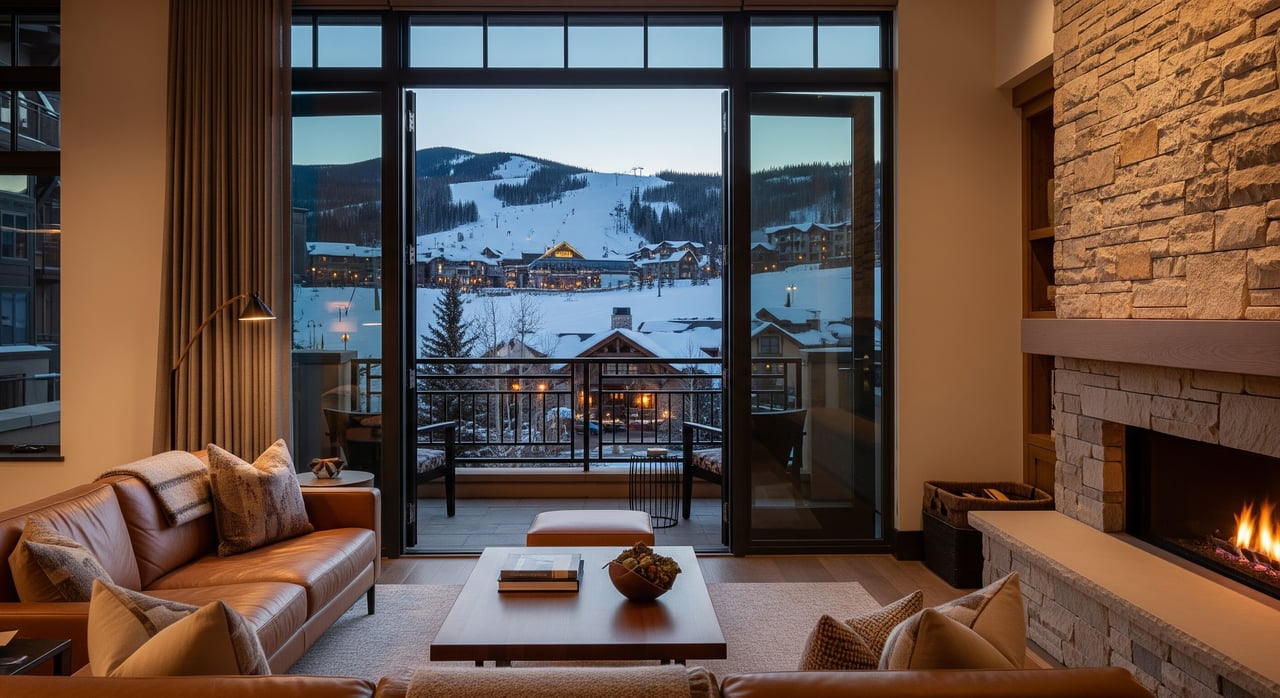
- Proximity to lifts and Base Village amenities tends to support higher rates and occupancy.
Choose the right comps
Well-chosen comps are the backbone of your ADR and occupancy assumptions. Start narrow and only widen your search if you must.
Comp hierarchy to follow
- Same building and same or near-identical layout. Match floor plan, bedding, and baths.
- Same complex in Base Village with similar access to lifts and amenities.
- Nearby Snowmass Village condos of similar size and quality if Base Village supply is thin.
- Aspen or other resorts only if you cannot find local comps and you adjust carefully.
Match these attributes
- Bedroom and bathroom count, max occupancy
- Slope access and views, including ski-in/ski-out proximity
- Renovation and finish level
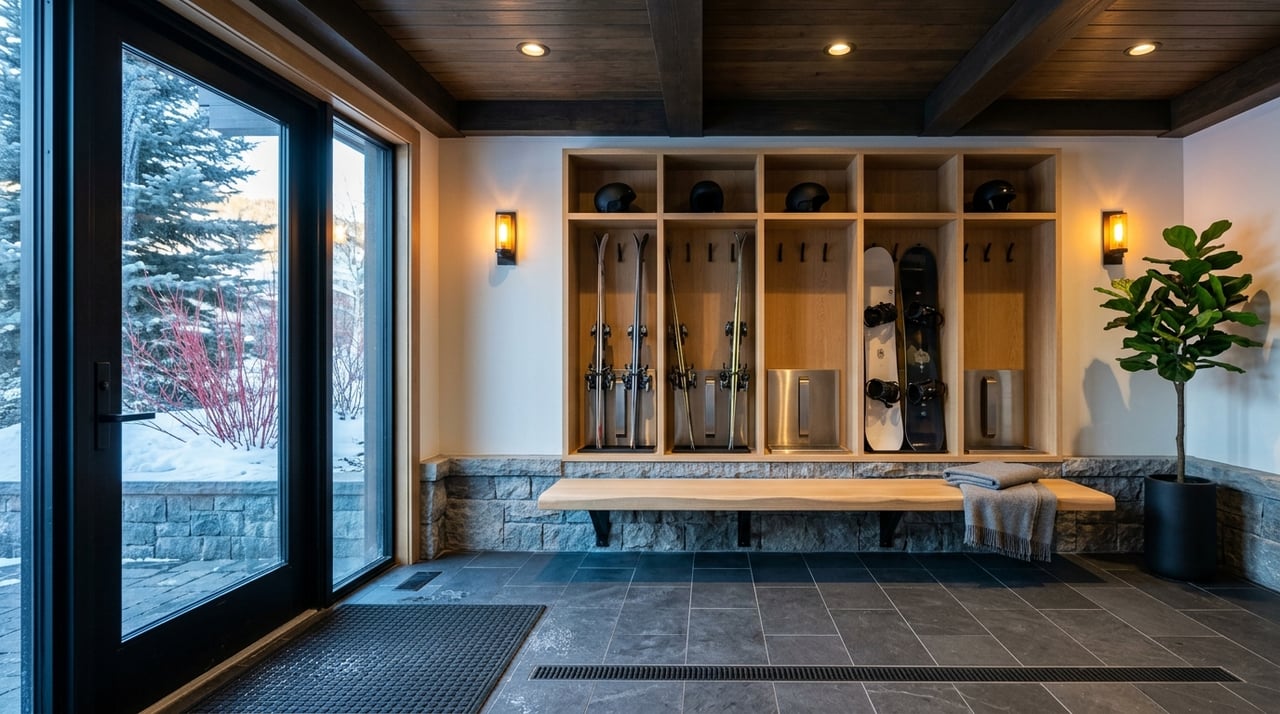
- Building amenities such as pools, hot tubs, ski storage, on-site dining
- Management style, since professional management can price and book differently than owner-managed listings
Where to gather data
Use listing platforms to review calendars and pricing patterns, market-intelligence providers for ADR and occupancy trends, and local managers for sample pro formas. Pull several date samples across the year, not just peak weeks. Look at multiple years to smooth out anomalies.
Build a simple revenue model
You can set this up in any spreadsheet. Create rows for each season and months, then apply the formulas below.
Define model inputs
- ADR by season: Holiday peak, mid-winter, summer, shoulder, and low
- Nights available: 365 minus owner use and blocked nights
- Occupancy by season: Percent of available nights you expect to book
- Average length of stay: Affects how many cleanings you pay for
- Cleaning fee per stay: Whether you pass it to guests or absorb it
- Management fee: Percentage of rental revenue for your manager
- Platform/booking fees: Host-side fees if you or your manager pays them
- Taxes: Lodging and sales taxes that apply to bookings
- Fixed operating costs: HOA dues, insurance, property taxes, utilities, reserve
- Variable costs: Cleaning, laundry, consumables, repairs
- Debt service: Monthly mortgage if financed
Core formulas to use
- Gross rental revenue by period = ADR × Nights in period × Occupancy rate
- Number of stays ≈ (Nights in period × Occupancy rate) ÷ Average length of stay
- Cleaning revenue (if charged to guest) = Cleaning fee × Number of stays
- Gross booking revenue (what guests pay) = Gross rental revenue + Cleaning revenue
- Platform fees = Gross booking revenue × Platform fee percent
- Management fee = Gross rental revenue × Management fee percent
- Taxes collected = Gross booking revenue × Lodging tax rate
- Net operating income (NOI) = Gross rental revenue − Management fee − Platform fees − Cleaning costs (if owner pays) − Utilities − Insurance − HOA − Maintenance/reserve − Taxes (owner portion)
- Cash flow = NOI − Debt service
Typical ranges to test
These are common ranges in resort markets. Confirm actuals with your manager and comp data.
- Management fee: 15 to 30 percent of rental revenue for full-service management
- Cleaning fee: 75 to 250 dollars per stay depending on size and finishes
- Platform host fee: About 3 percent on many listings
- Occupancy: Annualized 40 to 70 percent with strong seasonality
- HOA dues: Often significant in Base Village mixed-use buildings, so include realistic fixed costs
Segment by unit tier
Unit size and finish level affect both rate and occupancy. Build separate assumptions for each tier you are evaluating.
Typical tiers in Base Village
- Studio or alcove: Lower nightly rate and higher turnover. Often high rate per square foot but lower total revenue.
- One-bedroom: Popular for couples during ski season. Solid winter demand.
- Two-bedroom: Strong with families and small groups. Higher ADR and broader-season appeal.
- Three-bedroom and larger: Highest ADR, longer stays, and less price sensitivity among luxury travelers.
- Specialty lofts or penthouses: Premium pricing, particularly for direct lift access or standout views.
How tiers shift your inputs
- ADR multiplies with size and quality. Larger, well-finished units command higher rates.
- Occupancy can be higher for smaller units overall, but larger units often excel in peak holiday weeks.
- Cleaning and HOA costs rise with size. Adjust your expense lines accordingly.
Create season buckets
Build season rows that reflect Snowmass patterns, then assign months:
- Holiday Peak: Mid-December through early January
- Mid-Winter: January remainder and February non-holiday weeks
- Spring Shoulder: March to early April
- Summer Peak: June through August
- Fall Shoulder and Low: Late September through November
For each bucket, average ADR and occupancy from your comps or market data. Then multiply rate by occupied nights to produce monthly revenue.
Run scenarios and stress tests
Your model is only as strong as your ranges. Test conservative through optimistic cases.
- Conservative: Occupancy 30 to 40 percent annual, ADR at 90 percent of comps
- Base: Occupancy 45 to 55 percent, ADR at 100 percent of comps
- Aggressive: Occupancy 60 to 75 percent, ADR at 105 to 115 percent of comps
- Stress test: Reduce peak-season nights by 25 percent to simulate weather or travel disruption
This exercise helps you understand the band of likely outcomes, not just a single point estimate.
Don’t forget taxes, permits, and HOA rules
Regulations and building rules can change your net income and even your ability to rent.
Short-term rental permissions
Confirm current short-term rental registration, permit, or licensing rules for the Town of Snowmass Village and Pitkin County. Some communities have minimum stays, registration steps, or license caps. Verify whether your specific building or HOA has additional rules for calendars, guest registration, or owner use.
Taxes and remittance
Expect lodging or transient occupancy taxes and possibly sales tax. Some platforms collect and remit these taxes, but policies vary by jurisdiction and listing type. Confirm current rates and who remits. A Colorado-focused CPA can help you set up correct collection and filings.
Insurance and liability
Standard homeowner policies often exclude commercial activity. Ask your insurance provider about short-term rental or vacation-rental endorsements and consider higher liability limits.
Financing considerations
If a unit is marketed as a short-term rental or part of a mixed-use building, lenders may use different underwriting standards. Be prepared to provide performance history and maintain larger reserves.
Step-by-step workflow you can follow
Use this checklist to go from idea to a defendable pro forma.
- Define your unit tier
- Note beds, baths, max occupancy, floor, view, renovations, and building amenities.
- Collect 6 to 12 comps
- Prioritize same-building or Base Village matches. Capture ADR and calendar patterns across at least 12 months and, if possible, multiple years.
- Build 4 to 6 season buckets
- Holiday Peak, Mid-Winter, Summer, Shoulder, Low. Assign months relevant to Snowmass.
- Set ADR and occupancy by season
- Average from comps or market data. Document assumptions and sources.
- Project monthly revenue
- ADR × Nights × Occupancy. Include cleaning revenue if guests pay it.
- Subtract expenses
- Management fee, platform fees, cleaning, HOA, utilities, insurance, property taxes, maintenance reserve.
- Apply taxes and debt
- Account for any owner-remitted lodging or sales tax. Subtract monthly mortgage if applicable.
- Run scenarios
- Conservative, base, optimistic, plus a stress case reducing peak nights.
- Validate locally
- Share your draft with a Snowmass property manager or CPA to catch missing costs or rule nuances.
Practical tips to sharpen your numbers
- Sample real dates. Pull ADR for holiday weeks, mid-winter weekends, summer weekends, and fall shoulder midweeks.
- Separate owner blocks from guest stays in calendars. Owner use can mask true demand.
- Track minimum stays and cleaning fees. These shape revenue and turnover costs.
- Note review volume and rating. Better-run listings can command higher occupancy.
- Watch new supply in Base Village. Fresh inventory can pressure ADR.
Common pitfalls to avoid
- Annualizing a peak-week ADR across the year. Seasonality must drive your math.
- Ignoring HOA and fixed costs. These can be substantial in Base Village developments.
- Underestimating cleaning and turnover in winter. Short stays push costs up.
- Assuming platforms always remit taxes for you. Verify your responsibility.
- Overlooking HOA or municipal limits on stays or guest registration.
Ready to evaluate a specific unit?
If you are considering a Base Village condo, you deserve a clear, defensible revenue picture before you write an offer. I can help you gather the right comps, structure a season-by-season pro forma, and connect you with trusted managers, CPAs, and lenders who work daily in Snowmass Village. For international buyers, I provide bilingual and trilingual support in English, Spanish, and Portuguese to simplify cross-border decisions.
When you are ready, let’s build your model together and align it with your personal use plan. Schedule a private consultation with Karina Kwasnicka Marx PA.
FAQs
What is a realistic annual occupancy for Snowmass Base Village short-term rentals?
- Many resort condos show 40 to 70 percent annualized occupancy with strong winter peaks, but you should validate against local comps and your specific unit tier.
How should I set nightly rates for holiday weeks in Base Village?
- Create a Holiday Peak bucket for mid-December through early January, then price above standard winter ADR with appropriate minimum stays based on comps.
Which expenses most investors underestimate in Snowmass Village?
- HOA dues in mixed-use buildings, frequent winter cleanings, and management or platform fees are commonly underestimated in early pro formas.
Do platforms always collect and remit lodging taxes for Snowmass Village rentals?
- Policies vary by platform and listing type, so confirm current rules and your remittance duties with local tax guidance before you launch.
What management fee should I model for a Base Village condo?
- Full-service management often runs 15 to 30 percent of rental revenue in resort markets; get quotes from local managers to set your exact assumption.