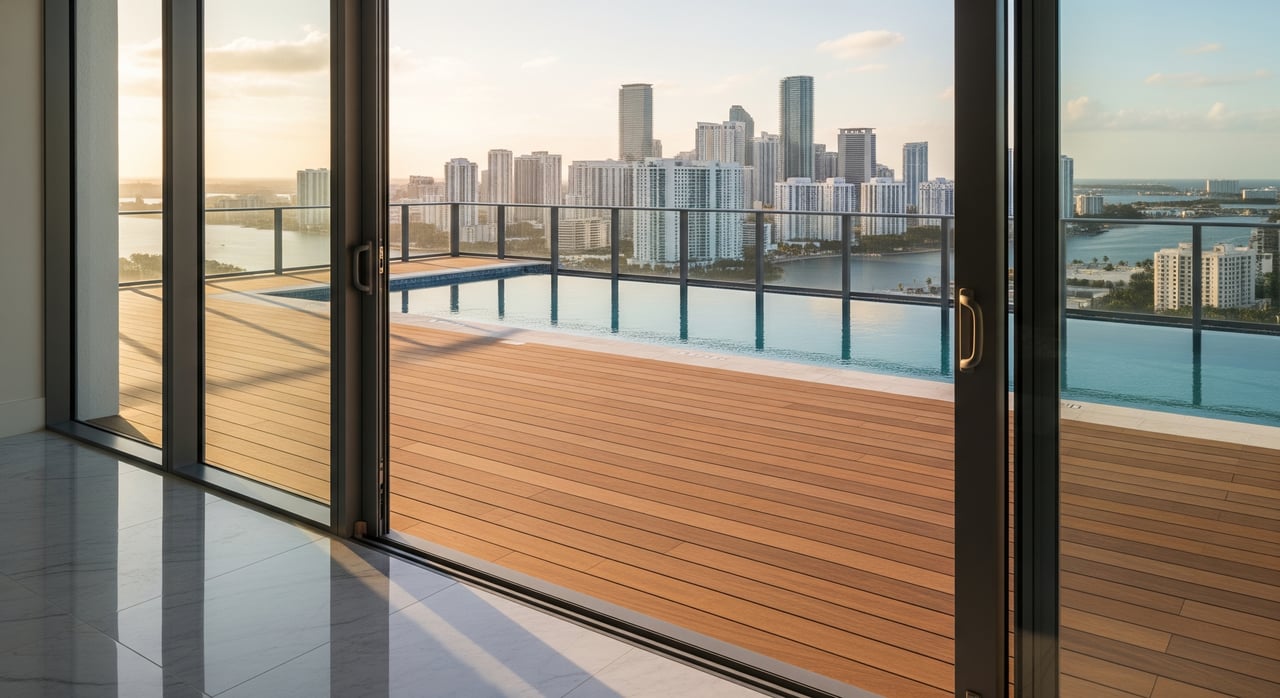
Brickell Pre-Construction Condos: A Guide for Buyers
December 4, 2025
December 4, 2025
Thinking about buying a pre-construction condo in Brickell, but not sure where to start? You are not alone. The opportunity can be exciting, yet the process is different from buying a completed home. In this guide, you will learn how pre-construction works in Brickell, what to ask, how to protect your deposit, and how to plan financing and timelines with confidence. Let’s dive in.
Pre-construction means you agree to buy a condo before the building is finished. You choose a floor plan, view, and finish package from the developer’s plans and contract for delivery in the future. In Brickell, many towers offer strong amenities, mixed-use convenience, and an urban lifestyle.
There are tradeoffs to weigh. You can often secure earlier pricing and better selection, with staged payments and some customization options. You also accept delivery risk, possible construction delays, and market changes between signing and closing.
Every development has its own pace, but most follow a similar path from reservation to closing. Understanding each step helps you plan cash flow and expectations.
You usually start with a reservation deposit to hold a unit. That deposit may be refundable or applied once the purchase agreement is issued. When you sign the contract, a higher deposit schedule begins, set out in the agreement.
Expect staged deposits that build to a defined percentage of the price. Many projects collect total deposits in the range of 10 to 30 percent during sales and construction. Always verify the exact schedule, refund terms, and where funds are held.
After contracts, the project moves through permitting, site work, and vertical construction. Typical milestones include groundbreaking, parking or podium completion, topping off when the structure is complete, exterior curtain wall, and then interior finishes.
High-rise luxury towers in Miami commonly take about 24 to 48 months from the start of vertical construction to reach completion. Larger or more complex projects can run longer. Build in a contingency window because delays are common.
A building can be occupied once a Certificate of Occupancy or a temporary CO is issued. At closing, title transfers, your lender funds the mortgage if applicable, and you join the condominium association. Most developers control the association until a statutory turnover threshold is met, so ask about the expected timing of turnover and governance.
Your deposit is meaningful, so understand how it is protected. Deposits are typically held in escrow or a developer trust account and handled per Florida law and the purchase agreement. Ask for written escrow instructions and the name of the escrow agent or bank.
Review the full public offering statement and condominium documents before you sign. These disclosures include the declaration, unit boundaries, common elements, planned amenities, estimated budget, and rules. Confirm your cancellation and rescission rights in writing and note any deadlines.
Your contract should outline finishes, selection windows, upgrade pricing, estimated delivery dates, taxes and assessments, and any conditions for cancellation. Ask how title will be delivered, how mechanic’s liens are handled, and what title insurance you will receive at closing.
Financing a pre-construction condo is different from buying a resale. Some lenders will not underwrite until the building receives its CO. Others may offer construction-to-permanent options or special programs for new developments. Developers sometimes offer incentives such as closing cost credits or rate buydowns, so request all terms in writing.
Because interest rates and lending guidelines can change during construction, build a rate and qualification cushion into your plans. Talk to a lender early about documentation needs and when underwriting will occur. If you are an international buyer, confirm nonresident requirements, cash reserve expectations, and closing logistics.
Brickell’s coastal setting means flood exposure and hurricane standards are part of the picture. New towers must meet local and state building codes for wind and storm protection. Ask for any available elevation data and confirm whether your lender will require flood insurance.
During construction, the developer typically carries builder’s risk and general liability coverage. Your personal coverage usually takes effect at closing when you take title. Request guidance on master association insurance, what it covers, and what you must insure individually.
Miami-Dade County will assess property taxes after your unit is recorded and closed. Review how taxes are projected and plan for your first year’s bill. For investors, consult a tax advisor about reporting and, on eventual sale, any applicable rules for foreign sellers.
Association fees reflect the level of amenities and services in the building. Amenity-rich towers can carry higher monthly dues. Ask for the preliminary operating budget, what is included in monthly fees, and any user charges for items like valet or spa services.
Special assessments sometimes occur in the early years to finalize common elements or cover budget gaps. Ask the sales team directly if any assessments are expected and review reserve planning if available.
A developer’s track record is one of the strongest predictors of delivery and quality. Research prior projects in Miami, especially in Brickell. Look at on-time performance, finish standards, and any litigation history.
Ask whether construction financing is secured and who the construction lender is. Confirm that key permits are approved or pending and what conditions remain. Review the general contractor and design team, since established teams can reduce execution risk.
Public records can reveal liens or lawsuits affecting the property or developer. Ask your title company to pull a title commitment and search for recorded liens or judgments. Clarity on financing, permits, and liens helps you gauge stability.
If you plan to rent, verify leasing policies in the condominium documents. Many Brickell buildings restrict short-term rentals or set minimum lease terms. Some developments impose an initial rental moratorium after closing.
If you might sell your contract before completion, ask about assignment rights. Some developers prohibit assignments or allow them with conditions and fees. Get these rules in writing before you sign.
Before closing, confirm how punch-list inspections and walkthroughs will work. Ask who handles warranty claims and how to submit issues after move-in. Developers usually provide express warranties for workmanship, finishes, and structural items for set periods.
Gather all appliance and HVAC warranties and keep them with your closing documents. Ask if the building uses third-party inspections during construction and how quality control is documented. Clear post-closing procedures make it easier to address any defects quickly.
Use this as a quick reference when you speak with the sales team.
Pre-construction success comes down to clarity and advocacy. You want someone to organize documents, track milestones, and push for answers on deposits, financing, and delivery. You also want guidance on floor plan selection, finish choices, and future resale positioning.
With bilingual support, cross-border experience, and hands-on new development knowledge, you can move from interest to closing with confidence. If you are comparing investment in Brickell with a seasonal home strategy, a cross-market perspective helps you balance lifestyle goals and return potential. When you are ready to walk through options, review timelines, and build a plan tailored to your needs, connect with Karina Kwasnicka Marx PA for a private consultation.
Stay up to date on the latest real estate trends.




Her ability to blend cultures and relationships, professionalism, availability, and knowledge allow her to guide her clients to successful transactions. Call to put her international experience to work for you.