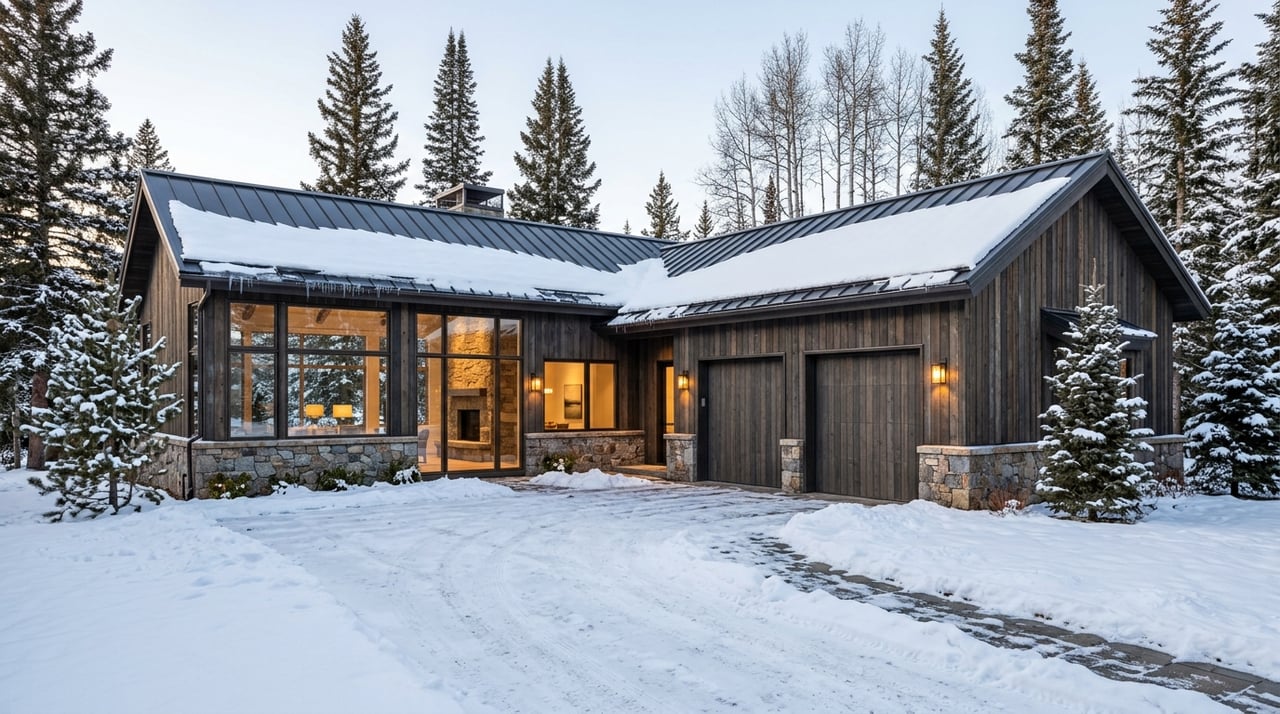
Aspen Condo vs House: How to Choose the Right Fit
April 2, 2026
April 2, 2026
Trying to decide between an Aspen condo and a private home? In this market, the choice is about much more than square footage or style. You are balancing budget, maintenance, privacy, rental goals, and how you actually plan to live in Aspen. The good news is that each option offers clear advantages once you know what to compare. Let’s dive in.
In Aspen, condos and private homes often sit in very different price brackets. According to the Aspen Board of REALTORS® December 2025 market update, the rolling 12-month median sales price was $13.2 million for single-family homes and $3.45 million for townhouse and condo properties.
That gap matters because it shapes nearly every part of your decision. If you want a foothold in Aspen with a lower entry price, a condo may offer more flexibility. If privacy, land, and control are at the top of your list, a private home may justify the larger investment.
The same report also shows stronger unit turnover in condos and townhomes, with 106 sold listings compared with 87 single-family sales. Days on market were fairly close at 165 for condos and townhomes and 177 for single-family homes, which suggests both segments require thoughtful planning and a clear strategy.
A condominium usually includes your individual unit plus a percentage interest in the land, common areas, and shared amenities. The National Association of Realtors consumer guide to condo ownership notes that many condos also offer secure building access, shared fitness areas, and other common features.
For many Aspen buyers, the biggest advantage is convenience. Monthly HOA or COA dues often cover communal maintenance, and some properties may also include select utilities. That setup can make condos especially appealing if you want a more lock-and-leave lifestyle for seasonal use.
Condo ownership also means living within an association structure. Rules in the CC&Rs, bylaws, and house regulations may address pets, parking, renovations, renting, and noise. Before you buy, it is smart to review not just the monthly dues, but also reserve levels and any history of special assessments.
That due diligence matters in Aspen because not every condo works the same way for every owner. A building may feel ideal from a location or amenity standpoint, but the governing documents could affect how you use it.
A condo is often the better fit when you want:
In short, you are often trading some privacy and freedom for simplicity and convenience.
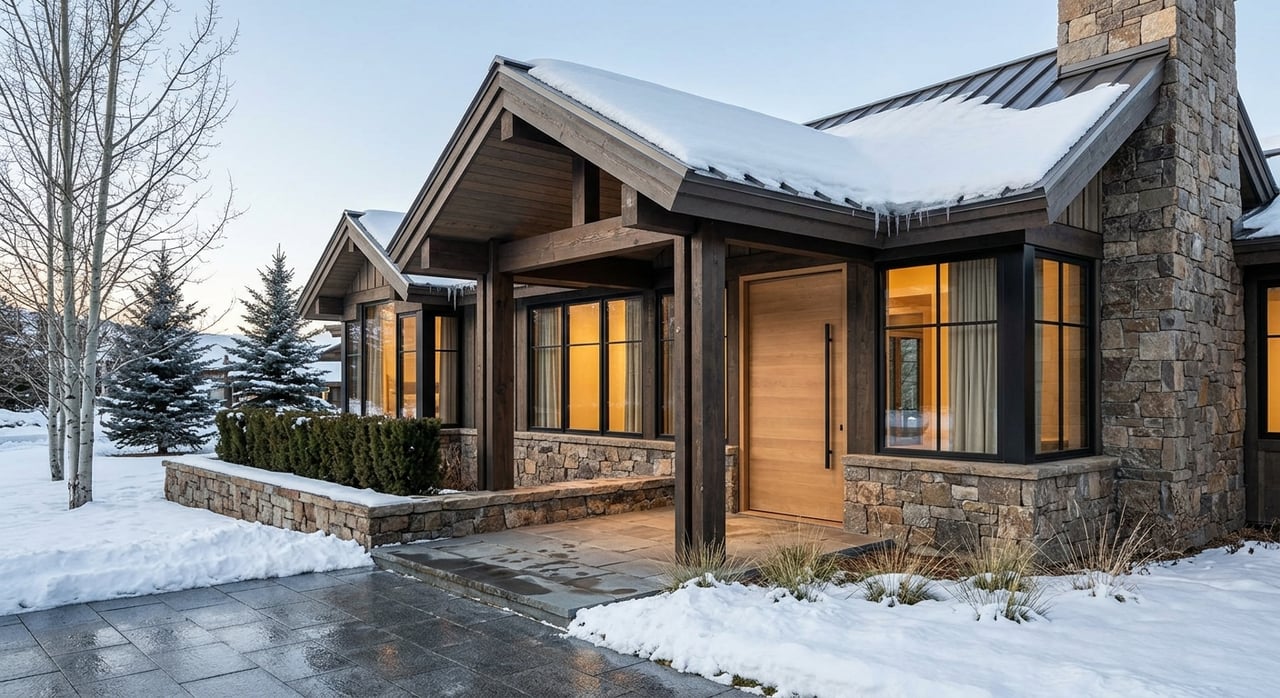
A single-family home is a detached residence on its own property. According to the National Association of Realtors overview of single-family homes, that usually means no shared walls, no shared land, and more independence in how you use and maintain the property.
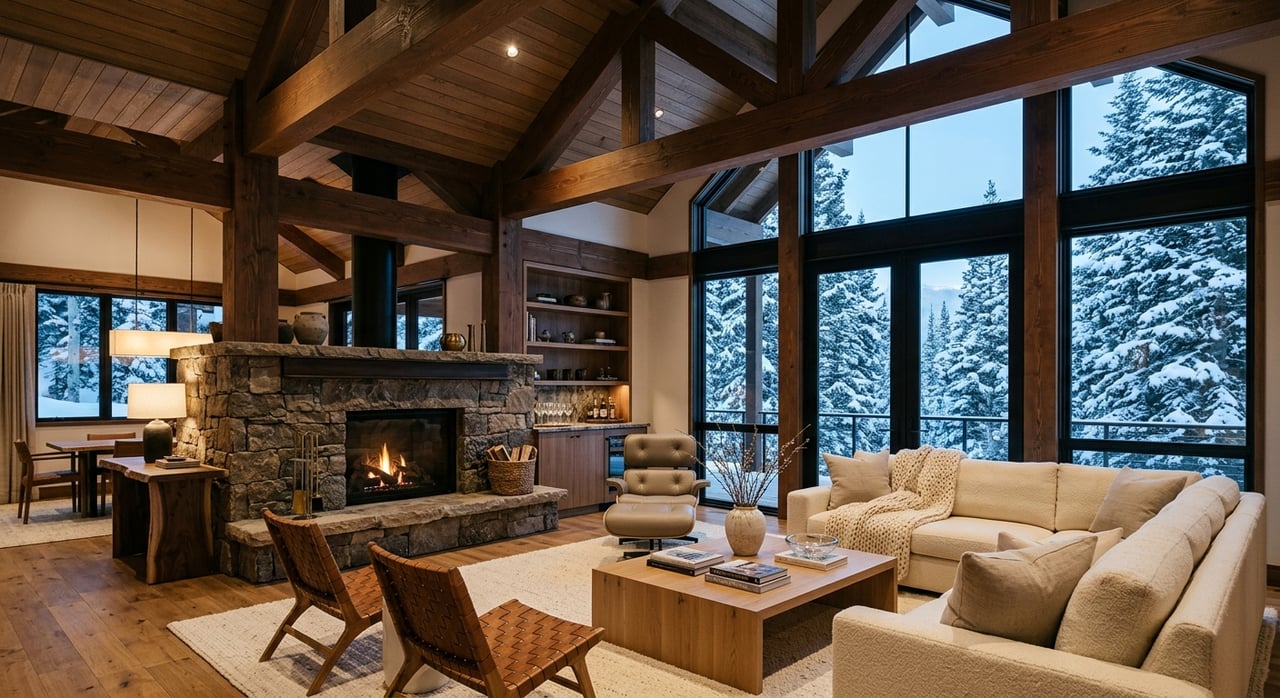
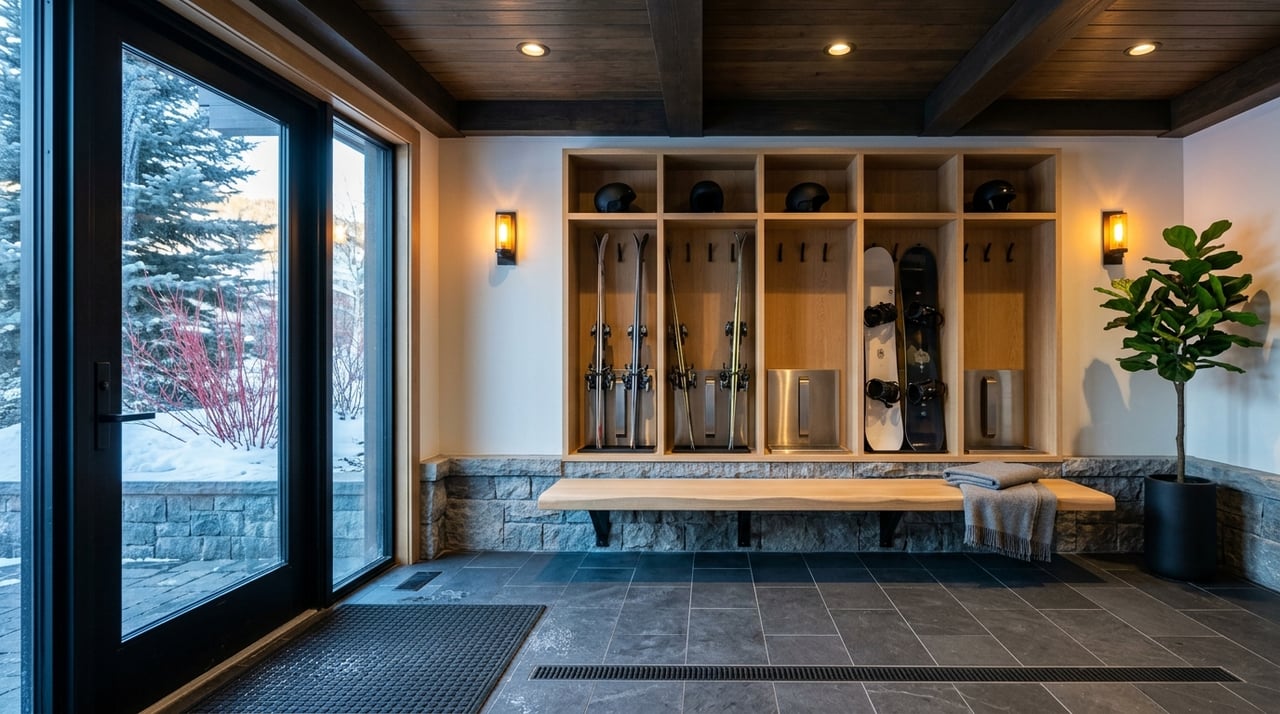
For Aspen buyers, that often translates to more privacy, more room for guests, more storage for mountain gear, and more outdoor space. If your ideal ownership experience includes entertaining, quiet separation, or the ability to tailor the property over time, a private home may align better with your goals.
The tradeoff is responsibility. With a private home, you are generally handling all maintenance, exterior upkeep, taxes, insurance, and compliance directly. There is no association taking care of the roof, common spaces, or exterior grounds for you.
Budget is the other major factor. In Aspen, the price difference between condos and detached homes is significant, so the jump in purchase price can be substantial before you even account for operating costs.
A private home is often the better fit when you want:
Here, you are typically trading convenience for space, control, and seclusion.
No matter which path you choose, your purchase price is only part of the financial picture. The Pitkin County Assessor explains that 2026 residential assessment rates are 6.8% for local governments and 7.05% for schools, with county taxes calculated by multiplying assessed value by the mill levy.
You should also account for City of Aspen buyer-paid real estate transfer taxes. The city levies 0.5% and 1.0% transfer taxes on taxable conveyances, which can materially affect your acquisition costs.
For condos, your carrying costs may include monthly association dues and the possibility of special assessments. For private homes, you may see more direct costs tied to maintenance, insurance, and ongoing property care. Either way, the smart comparison is not condo price versus home price. It is all-in ownership cost versus your intended use.
If you expect to rent your Aspen property when you are not using it, this should be one of your first filters. Aspen’s short-term rental rules are detailed, and they can affect both condos and private homes.
The City of Aspen short-term rental rules require an STR permit and an STR business license for rentals under 30 days. Owner-occupied permits are limited to 120 rental nights per year, while Classic permits have no annual night cap but may be limited or waitlisted in certain zone districts.
That means rental potential is not automatic. You need to confirm whether the property, building, and zone support the permit type that matches your plan.
Aspen is a year-round resort market, but demand is not evenly distributed. The Aspen Chamber Resort Association reported 73.6% lodging occupancy in January 2025 and 57.1% in December 2025.
That does not mean rental demand is weak. It means seasonality should be part of your ownership strategy. If you are underwriting a property partly around rental use, your income expectations should reflect permitting rules, seasonality, and tax obligations.
Aspen also imposes permit fees and tax filing requirements. The city states that annual permit fees are $148 for STR-LE permits and $394 for STR-C and STR-OO permits, plus a $150 annual STR business license.
The city also notes that, starting in 2026, aggregate tax obligations for nightly stays are 12.35% for traditional lodge property, 17.35% for owner-occupied or lodge-exempt STRs, and 22.35% for Classic STRs. If rentals are part of your plan, these details should be reviewed early so you can compare properties realistically.
Some buyers should pay close attention to one Aspen-specific distinction. According to the city’s lodging and short-term rental tax guidance, individual owners at lodge or condo-hotel properties are not eligible for the Lodging Exempt permit and must apply for Classic or Owner-Occupied permits.
When clients compare Aspen condos and private homes, the clearest answer usually comes from lifestyle first and logistics second. Start by asking how you want ownership to feel on an average visit, not just how the property looks online.
Here is a simple framework to use:
The right answer is rarely just “condo versus home.” It is really about which ownership model best supports your time in Aspen, your budget, and your long-term goals.
If you want help comparing specific Aspen properties through the lens of lifestyle, ownership costs, and rental potential, Karina Kwasnicka Marx PA offers a concierge-level approach designed for seasonal owners, families, and international buyers. Let’s connect and schedule a private consultation.
Stay up to date on the latest real estate trends.
Her ability to blend cultures and relationships, professionalism, availability, and knowledge allow her to guide her clients to successful transactions. Call to put her international experience to work for you.