When to Sell Your Aspen Home: A Seasonal Guide
April 16, 2026
April 16, 2026
If you are planning to sell in Aspen, timing can shape how buyers experience your home. This is not a market that follows one simple spring selling pattern. Aspen is a true four-season resort market, and the season you choose can affect visibility, showing momentum, and how well your property’s lifestyle story comes across. Let’s dive in.
In many markets, sellers focus on spring and early summer. Aspen works differently because buyer attention is closely tied to tourism and second-home travel patterns.
According to the Aspen Chamber’s seasonal overview, winter generally runs from November through April, summer runs from June through Labor Day weekend, spring is mid-April through early June, and fall is late September through early October. The chamber also notes that July and early August are usually the heaviest visitation period.
That matters because Aspen’s audience is often not purely local. The Aspen Chamber visitor profile shows a travel-driven visitor base with many overnight guests and origin markets that include Colorado, Texas, Florida, California, and New York. For sellers, that means your ideal buyer may first discover your property while already spending time in Aspen during a high-traffic season.
When more visitors are in town, your home typically has a better chance to be seen by active buyers, second-home shoppers, and people considering a future purchase. More seasonal traffic does not guarantee a sale, but it can improve exposure at the right moment.
The chamber’s monthly research update shows that lodging occupancy was 73.6% in January, 79.5% in February, 74.4% in March, 34.3% in May, 65.9% in June, and 57.1% in December. In simple terms, winter and early summer tend to bring the strongest activity, while late spring is noticeably softer.
This is one reason Aspen listing strategy should be more intentional than simply choosing the next available month. A well-timed launch can put your property in front of more of the right people while Aspen is already top of mind.
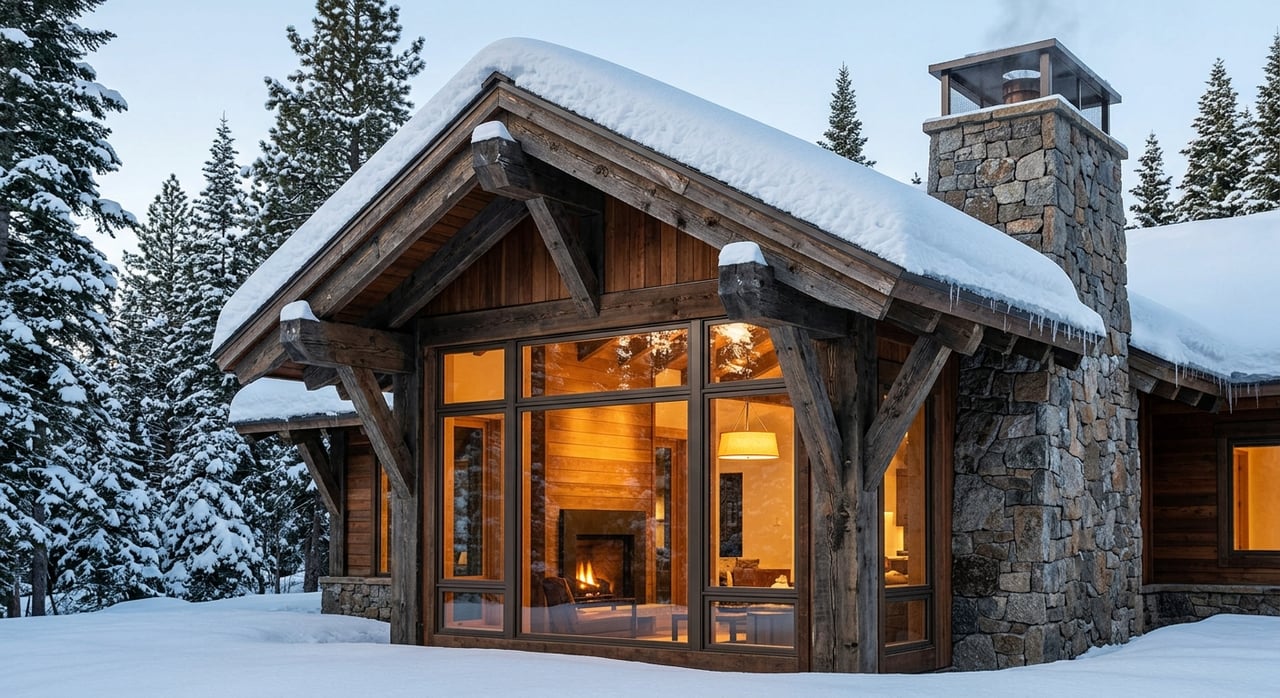
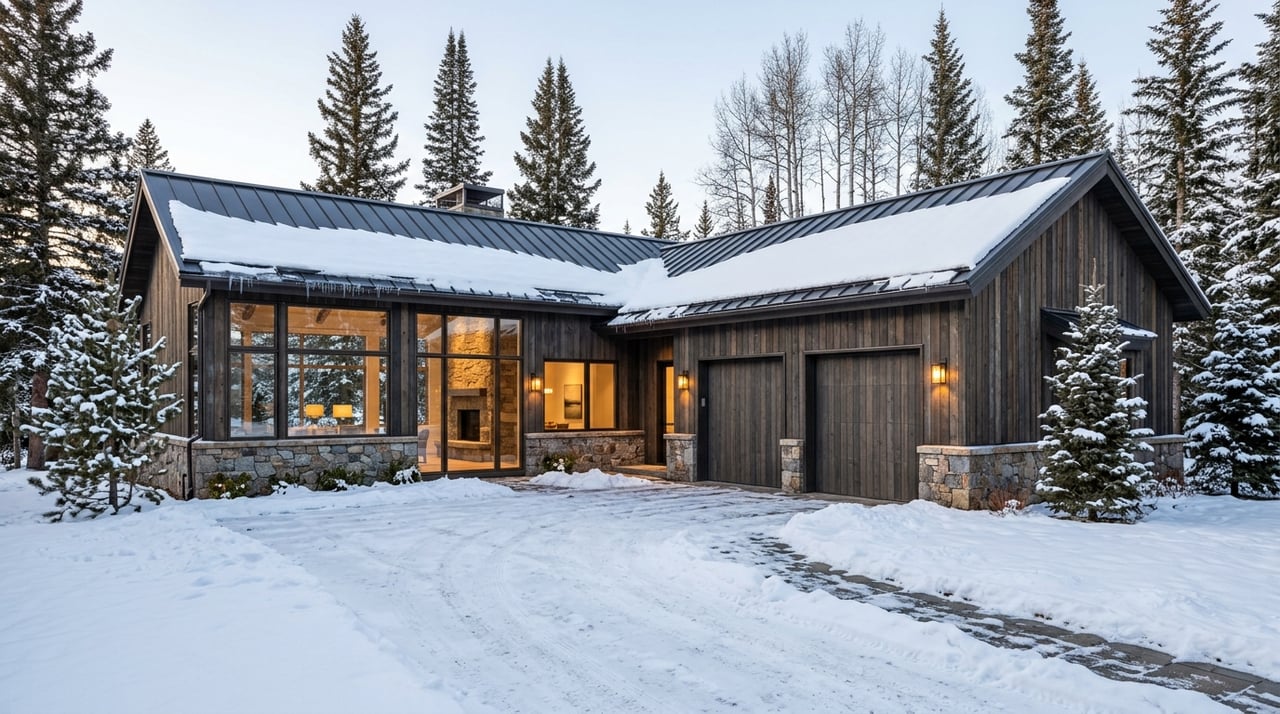
If your home is tied to ski season appeal, late winter can be a smart time to list. Buyers visiting Aspen during peak snow months can directly experience the convenience, setting, and lifestyle that ski-oriented properties offer.
Winter is especially relevant for condos and homes that benefit from proximity to skiing or a lock-and-leave second-home setup. Since Aspen’s winter season runs through April, listing before or during this period can align your property with active seasonal demand, according to the Aspen Chamber.
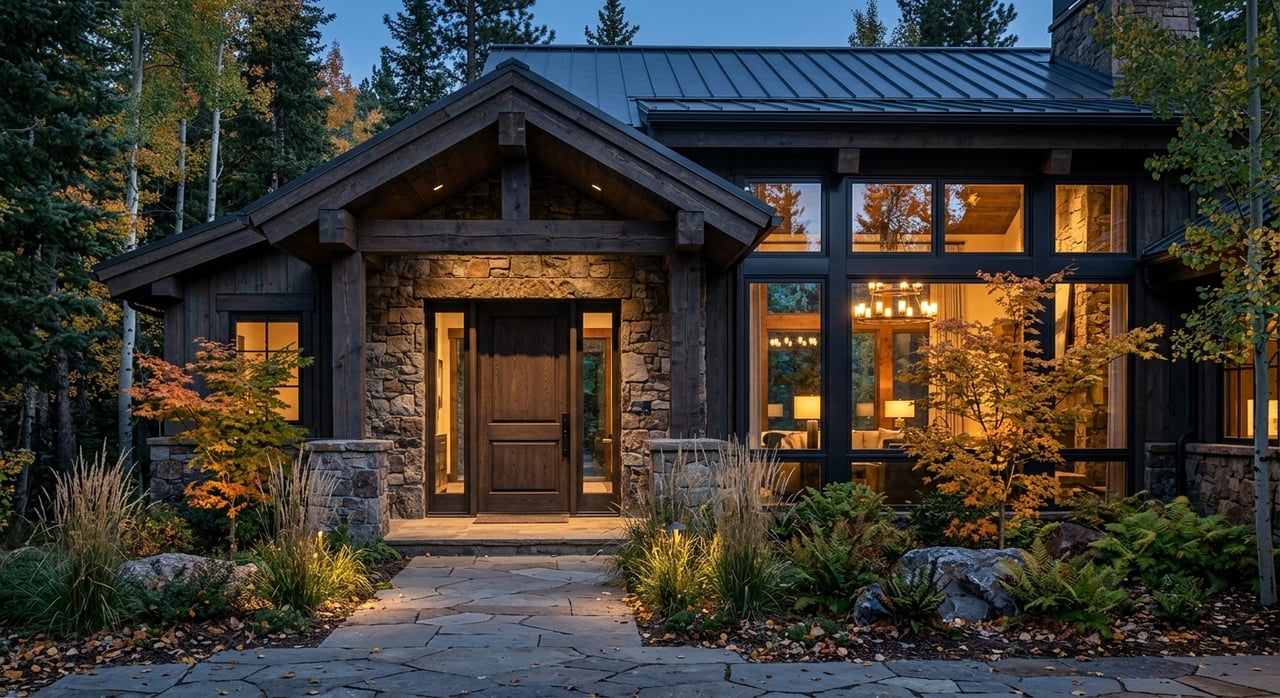
For homes that shine because of outdoor living, views, natural light, landscaping, or entertaining space, early summer often offers a stronger presentation window. Aspen’s summer season begins in June, and July and early August are typically the busiest visitation weeks, based on the Aspen Chamber’s seasonal data.
This timing can help buyers connect with features that are harder to appreciate during colder months. Decks, patios, open-air dining areas, and view corridors may simply show better when the surrounding environment supports that story.
Fall can still be appealing, especially when foliage is at its peak in late September through early October. Visually, that can create a memorable backdrop for photography and showings.
Still, fall is considered more of a shoulder season than a major visitor window. That means it may work best for sellers whose property already has strong seasonal appeal or for those who are comfortable with a more targeted strategy rather than the broadest possible exposure.
Not necessarily. In many U.S. markets, spring is the default answer. In Aspen, the picture is more nuanced.
The Aspen Chamber’s seasons page describes spring as a quieter shoulder season. That does not mean spring listings cannot work. It does mean sellers should be realistic about traffic and understand that a spring launch may need sharper pricing, stronger presentation, and broad digital distribution to compete for attention.
In some cases, spring can appeal to sellers who want less competition. But in Aspen, lower competition does not always outweigh lower visitor activity. The right answer depends on your home, your goals, and how prepared your launch is.
The strongest listing strategy usually starts with your property’s story. Instead of asking for a universal best month, it is often more useful to ask when your home will make its best first impression.
This is not a hard rule, but it is a helpful framework. In Aspen, buyers often respond to how a home feels in the season they plan to use it most.
Seasonality matters, but it does not override the market. Sellers should pay attention to inventory, pricing pressure, and average time on market.
As of March 4, 2026, the Pitkin County market update showed 10.3 months of supply for single-family homes and 10.7 months of supply for condos and townhomes. The same report showed 191 days on market for single-family homes and 155 days on market for condos and townhomes, with median sale prices down year over year in both categories.
That points to a slower, more supply-aware market. Even in stronger seasons, sellers should not assume that buyer traffic alone will create urgency.
The Aspen Board of REALTORS® market reporting also notes that small luxury sample sizes can make one-month shifts look dramatic. In other words, timing is important, but pricing, preparation, and patience still carry more weight than trying to guess a perfect week.
A smart Aspen launch usually starts well before the property goes live. If you want to take advantage of a seasonal window, preparation should happen first.
Photography, staging, repairs, and marketing materials all take time. If you want a winter launch, begin well before the busiest snow-season weeks. If you are targeting summer, make sure your home is ready before visitor activity ramps up in June.
A strong season can bring attention, but it cannot solve overpricing. In a market with elevated months of supply and longer selling timelines, accurate pricing remains one of the most important decisions you will make.
In Aspen, many buyers are out-of-town or second-home shoppers. That means your strategy should not rely only on in-person traffic. Digital presentation, broker outreach, and broad luxury distribution can all be important, especially during quieter periods.
If your main goal is broad visibility, late winter through early summer is often the strongest overall window in Aspen. Those seasons align more closely with the market’s biggest travel and visitation patterns.
If your goal is to maximize price sensitivity, the better strategy may be to launch when your home shows best rather than waiting for a supposedly perfect month. A ski property may perform best when buyers can feel the winter lifestyle firsthand. A view home with outdoor living may be more compelling once summer arrives.
The key is not chasing a generic calendar rule. It is matching the season, the market, and your property’s strengths in a way that supports a polished, well-priced launch.
If you are thinking about selling in Aspen, a tailored strategy can make a meaningful difference. Karina Kwasnicka Marx PA offers concierge-level guidance to help you position your home around seasonality, market conditions, and the lifestyle features buyers notice most.
Stay up to date on the latest real estate trends.


Her ability to blend cultures and relationships, professionalism, availability, and knowledge allow her to guide her clients to successful transactions. Call to put her international experience to work for you.