Aspen Luxury Condo Lifestyle: Daily Life & Costs
March 24, 2026
March 24, 2026
Imagine stepping out your front door and being on the Silver Queen Gondola in minutes. That is the pace and privilege of owning a luxury condo in Aspen. If you want ski access, top-tier dining, and a low-maintenance base for every season, a condo here can deliver it. In this guide, you will learn what daily life feels like, what it really costs, how rentals work, and the key rules to know before you buy. Let’s dive in.
Aspen is a compact, high-alpine town with a big lifestyle footprint. You can walk to dozens of restaurants and shops, catch a show, or meet friends on Main Street without getting in a car. The town’s year-round calendar means winter is not the only season. Summer brings marquee events and outdoor adventures.
In peak winter, your days often center on skiing, fitness, and concierge-supported ease. In summer, you shift to hiking, biking, and cultural programming like the Aspen Music Festival and the Aspen Ideas Festival. The city’s size and walkability make both seasons feel effortless. For a quick snapshot of town stats, restaurant and shop counts, and airport proximity, review the Aspen Chamber fact sheet at the city level’s overview of amenities and access found in the Aspen Chamber fact sheet.
Aspen gives you access to four distinct ski areas on one pass: Aspen Mountain, Aspen Highlands, Buttermilk, and Snowmass. Terrain choices range from groomers to steeps to family-friendly zones, which makes it easy to match your day to your mood. For official mountain stats and layout, see the Aspen Snowmass mountain stats.
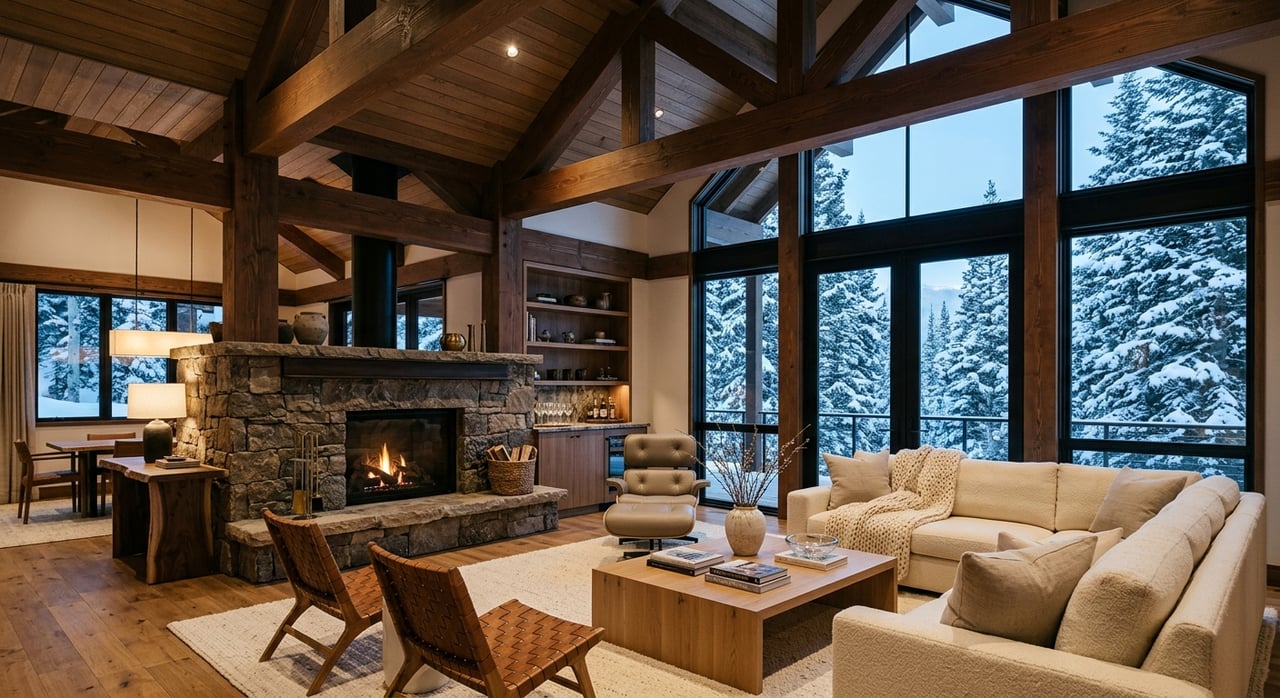
Most luxury condos sit in or near the downtown grid. Mornings can start with a short walk to coffee, a couple of gondola laps, and lunch on Hyman or Hopkins. Afternoons often mean spa time, a gallery visit, or a quiet hour by the fire before dinner.
If you own in a full-service building, the service choreography becomes part of your routine. Think airport transfer, ski valet with warmed boots, slope time, then après on Main Street. That ease is a big reason many owners choose condo life over a stand-alone home.
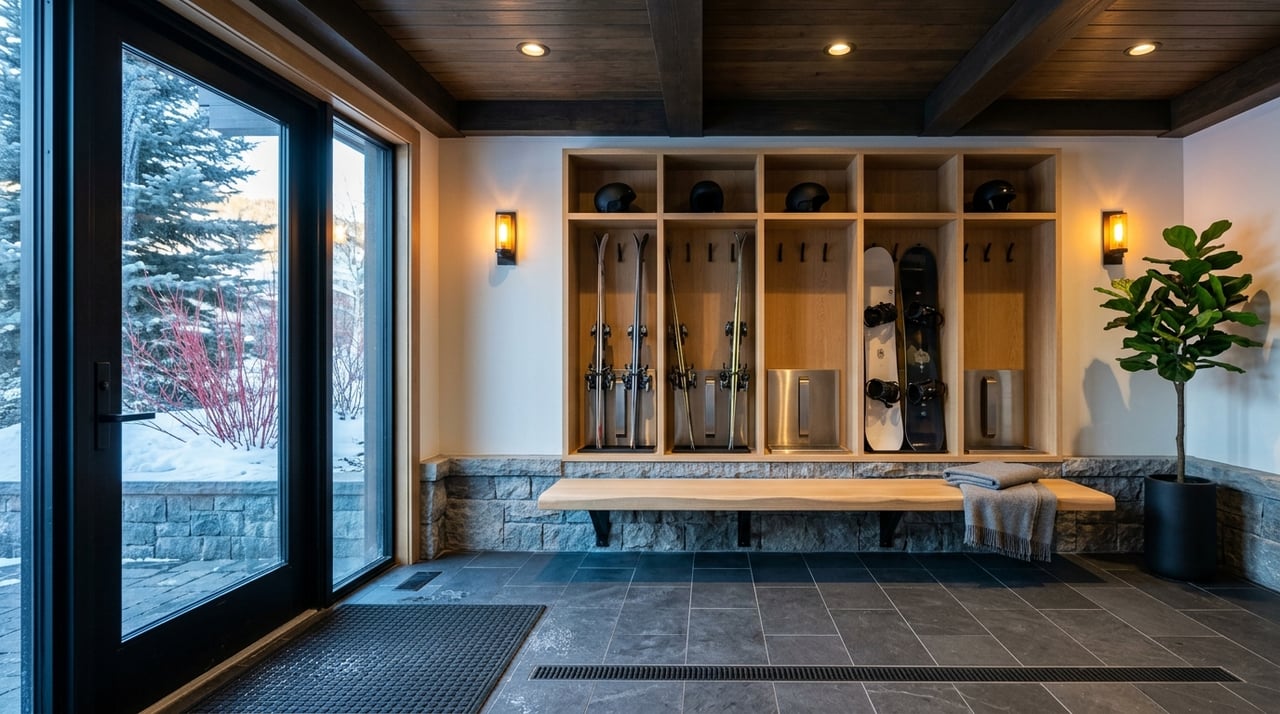
Luxury buildings commonly feature concierge services, secure ski storage, fitness studios, spas, and pools. Some offer housekeeping on demand and private transportation booking. A ski-in, ski-out hotel-residence like the Residences at The Little Nell showcases the higher end of this experience with 24-hour services, ski concierge, and resort-level amenities.
Aspen is a premium market. Recent local reporting shows the Aspen condo median sold price in the low to mid millions, with H1 2025 around 3.1 million dollars. Prices vary widely by building, size, views, and ski proximity. For current market context and pricing trends, consult the Estin Report.
Short-term rental rules depend on precise location and permit type. The City of Aspen runs multiple permit categories with lodging and excise taxes that vary by classification. Pitkin County, which covers unincorporated areas, has its own licensing and operating limits. If rental income matters to your plan, verify permit availability, allowed nights, and total tax rates before you underwrite revenue. Start with the city’s Lodging and Short-Term Rental Taxes page and confirm county rules if the property sits outside city limits.
The Aspen/Pitkin County Airport sits about three miles from downtown, with seasonal nonstop service to major hubs. Many owners rely on car services or building-arranged SUVs. In some seasons, you can also fly into Eagle or Denver and drive in. For town overview and airport proximity, see the Aspen Chamber fact sheet.
Day to day, car ownership is optional for many downtown condo owners. Aspen offers free local shuttles and a popular on-demand electric ride service, the Downtowner in Aspen. Public parking in the core is limited and often paid, so ask whether your condo includes a deeded stall or building valet.
Downtown addresses typically have cable, fiber, or high-speed options from national providers, with satellite and 5G as backups. Before you buy, confirm provider availability by address and ask your building about any bundled internet or network infrastructure. If you plan to work remote, a quick test of upload speeds and Wi-Fi coverage during a showing is smart.
Mountain living means planning for winter storms and wildfire. Many owners add backup power solutions, schedule seasonal property checks, and follow local fire district guidance on defensible space. For education and programs that help you plan, review Aspen Fire’s wildfire work and consult your insurance advisor about wildfire-related deductibles and underwriting.
Foreign buyers can own Colorado real estate, but U.S. tax rules apply at sale. FIRPTA requires withholding on dispositions by foreign persons unless an exemption or reduced withholding certificate is in place. If you are abroad, speak with U.S. tax counsel and a Colorado real estate attorney early. Start with the IRS overview of FIRPTA withholding.
A condo can be a great fit if you want turn-key living close to the slopes, hotel-like services, and easy access to dining and events. It is also a smart choice if you value simplified maintenance and predictable staffing. If rental income is part of your strategy, confirm permit type and taxes first, then align your building choice with your revenue plan.
If you are weighing options, a local advisor can help you compare HOA budgets, service levels, rental eligibility, and location trade-offs building by building. That clarity is what turns an exciting idea into a confident purchase.
Ready to explore Aspen’s best condo buildings, from ski-in, ski-out residences to design-forward downtown retreats? Connect with Karina Kwasnicka Marx PA for bilingual, concierge guidance tailored to your lifestyle and investment goals.
Stay up to date on the latest real estate trends.
Her ability to blend cultures and relationships, professionalism, availability, and knowledge allow her to guide her clients to successful transactions. Call to put her international experience to work for you.